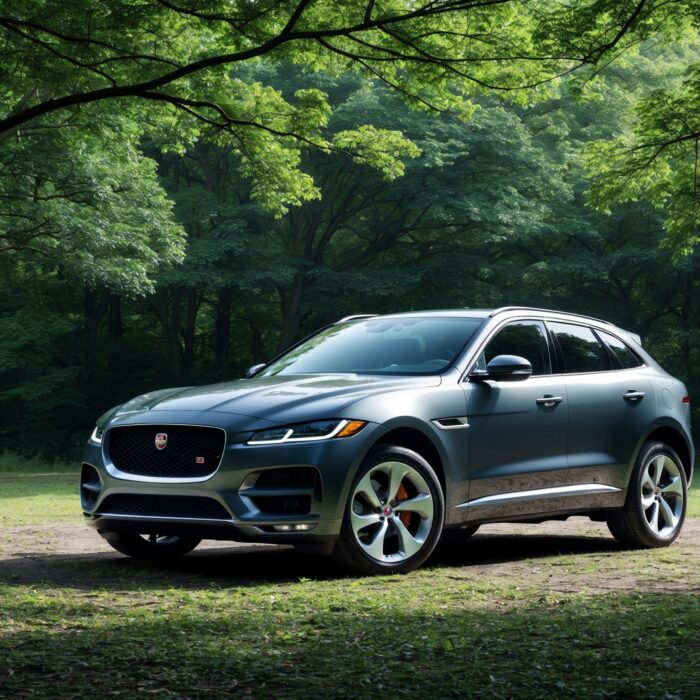
Why Ford’s Compact SUV Was Nearly Named Excape
When it comes to automotive history, few stories are as fascinating as the tale of Ford’s compact SUV—originally almost called the “Excape.” The journey of naming vehicles is often filled with intrigue, creativity, and sometimes, a dash of confusion. In this article, we’ll explore how Ford arrived at the name “Escape” for their compact SUV and the significance of this decision in the automotive world.
Also Read: Genesis' new flagship SUV is getting Rolls-Royce-style doors
The Early Days of Ford’s Compact SUV
The late 1990s marked a pivotal period for Ford as the demand for compact SUVs began to surge. With consumers seeking vehicles that combined the practicality of an SUV with the efficiency of a smaller car, Ford knew it had to step up its game. The company began developing what would eventually become the Ford Escape, a vehicle designed to appeal to both urban commuters and outdoor enthusiasts alike.
Market Research and Name Brainstorming
As part of the Escape’s development, Ford’s marketing team embarked on extensive market research to gauge consumer preferences. They discovered that potential buyers were looking for a vehicle that conveyed a sense of adventure and freedom. With this in mind, the team brainstormed names that would encapsulate these qualities. Among the contenders was “Excape.”
Also Read: You Thought These EVs Were Coming To The US, But Now They're Off The Table
The Appeal of ‘Excape’
The name “Excape” had a certain ring to it that resonated with the adventurous spirit Ford aimed to capture. It suggested a getaway, an escape from the mundane, and an invitation to explore. The play on the word “escape” was clever and visually appealing, but as the branding discussions progressed, it became clear that the name might not be the best fit.
Why ‘Escape’ Won Out
While “Excape” had its charms, several factors ultimately led Ford to choose “Escape” instead. Here are some of the critical considerations:
- Clarity and Recognition: The name “Escape” is immediately recognizable and easy to understand. It conveys a clear message about the vehicle’s purpose without the risk of mispronunciation.
- Legal Considerations: Ford’s legal team raised concerns about potential trademark issues with “Excape.” Ensuring a unique and legally protectable name was crucial for the brand.
- Global Appeal: As Ford aimed to market the Escape internationally, they needed a name that resonated across different languages and cultures. “Escape” had universal connotations of freedom and adventure.
- Brand Cohesion: The name “Escape” aligned better with Ford’s existing branding strategy, which emphasized ruggedness and reliability across their SUV lineup.
The Impact of the Name Change
The transition from “Excape” to “Escape” proved to be a prudent decision. When the Ford Escape hit the market in 2000, it was met with enthusiasm from consumers and critics alike. The name was not only catchy but also perfectly aligned with the vehicle’s marketing campaign. Ford positioned the Escape as the ultimate companion for those looking to break free from their daily routines and venture into the great outdoors.

Ford’s Marketing Strategy for the Escape
With a name that captured the imagination, Ford launched an aggressive marketing campaign for the Escape. The company utilized various channels to reach potential buyers, including television commercials, print ads, and online promotions. The messaging centered around adventure, freedom, and the idea that the Escape was designed to help people get away and experience life to the fullest.
Target Audience
Ford identified several key demographics for the Escape, including:
- Young Families: The Escape offered ample space for children and gear, making it an attractive option for parents.
- Outdoor Enthusiasts: With features like all-wheel drive and a spacious cargo area, the Escape appealed to those who loved outdoor activities like hiking and camping.
- Urban Commuters: The compact size and fuel efficiency made the Escape a practical choice for city driving.
Advertising Campaign Highlights
Ford’s advertising campaign featured stunning visuals of the Escape in various scenic locations, showcasing its versatility. They highlighted the vehicle’s features, such as:
- Advanced safety technologies
- Responsive handling
- Spacious interior
- Fuel efficiency
The combination of a compelling name and strategic marketing efforts helped the Ford Escape become a household name and a staple in the compact SUV segment.
Success and Legacy of the Ford Escape
Since its introduction, the Ford Escape has undergone several redesigns and updates, continually adapting to changing consumer preferences and market trends. Its legacy is marked by impressive sales figures, making it one of Ford’s best-selling vehicles. The Escape has also played a significant role in establishing Ford’s position in the compact SUV market, competing against rivals like the Honda CR-V and Toyota RAV4.
Impact on Ford’s Lineup
The success of the Escape paved the way for Ford to expand its SUV lineup, introducing models like the Edge, Explorer, and Bronco Sport. The Escape demonstrated that there was a growing appetite for compact SUVs, prompting Ford to invest further in this segment.
Evolution Over the Years
As consumer preferences shifted, so did the Escape. Ford embraced hybrid and electric technologies, launching hybrid and plug-in hybrid versions of the Escape to cater to environmentally conscious buyers. This evolution showcased Ford’s commitment to innovation and sustainability, further solidifying the Escape’s place in the market.
Lessons from the Naming Process
The story of the Ford Escape’s naming journey offers valuable insights for automotive manufacturers and marketers alike. Here are some key takeaways:
- Consumer Insights Matter: Understanding the target audience is crucial in naming a product. The name should resonate with potential buyers and reflect the brand’s values.
- Legal Considerations: Trademark issues can derail even the best ideas. Companies must conduct thorough research to ensure that their chosen name is legally viable.
- Global Appeal is Key: As markets become increasingly interconnected, brands need to consider how names will be perceived across different cultures.
- Adapt and Evolve: The automotive industry is constantly changing. Being open to adaptation can lead to greater success in the long run.
Final Thoughts
The nearly-named “Excape” will forever be a fascinating footnote in the history of the Ford Escape. Its journey from concept to reality highlights the complexities of the naming process in the automotive industry. At Torque Feed, we love diving into these stories that reveal the passion, creativity, and strategic thinking behind our favorite vehicles. The Escape has proven itself to be more than just a name; it’s a symbol of adventure, exploration, and the spirit of discovery that lives on in every drive.
As we continue to watch the automotive landscape evolve, one thing is clear: the right name can make all the difference. Whether it’s a compact SUV or a high-performance sports car, a name has the power to evoke emotions and inspire journeys. So, the next time you see a Ford Escape on the road, take a moment to reflect on the thought and strategy that went into crafting such an iconic name.