Stellantis Faces Dilemma Over Its 14 Automotive Brands
As the automotive world continues to evolve, Stellantis, one of the largest automotive manufacturers globally, finds itself at a crossroads. With 14 distinct brands under its umbrella, the company is grappling with an identity crisis that could have significant implications for its future. Car enthusiasts, industry insiders, and casual observers alike are keenly watching how Stellantis navigates this complex landscape. In this blog post on Torque Feed, we’ll delve into the intricacies of Stellantis’s brand portfolio, the challenges it faces, and the potential strategies it may adopt moving forward.
The Genesis of Stellantis
Stellantis was born out of the merger between Fiat Chrysler Automobiles (FCA) and the French PSA Group in January 2021. This monumental union created a powerhouse that boasts brands like Jeep, Ram, Peugeot, Citroën, and Dodge, among others. With such a diverse collection of automotive brands, Stellantis has the potential to dominate various market segments across the globe.
Understanding the Brand Portfolio
To fully appreciate the dilemma Stellantis faces, it’s essential to understand the unique characteristics and market positions of its 14 brands:
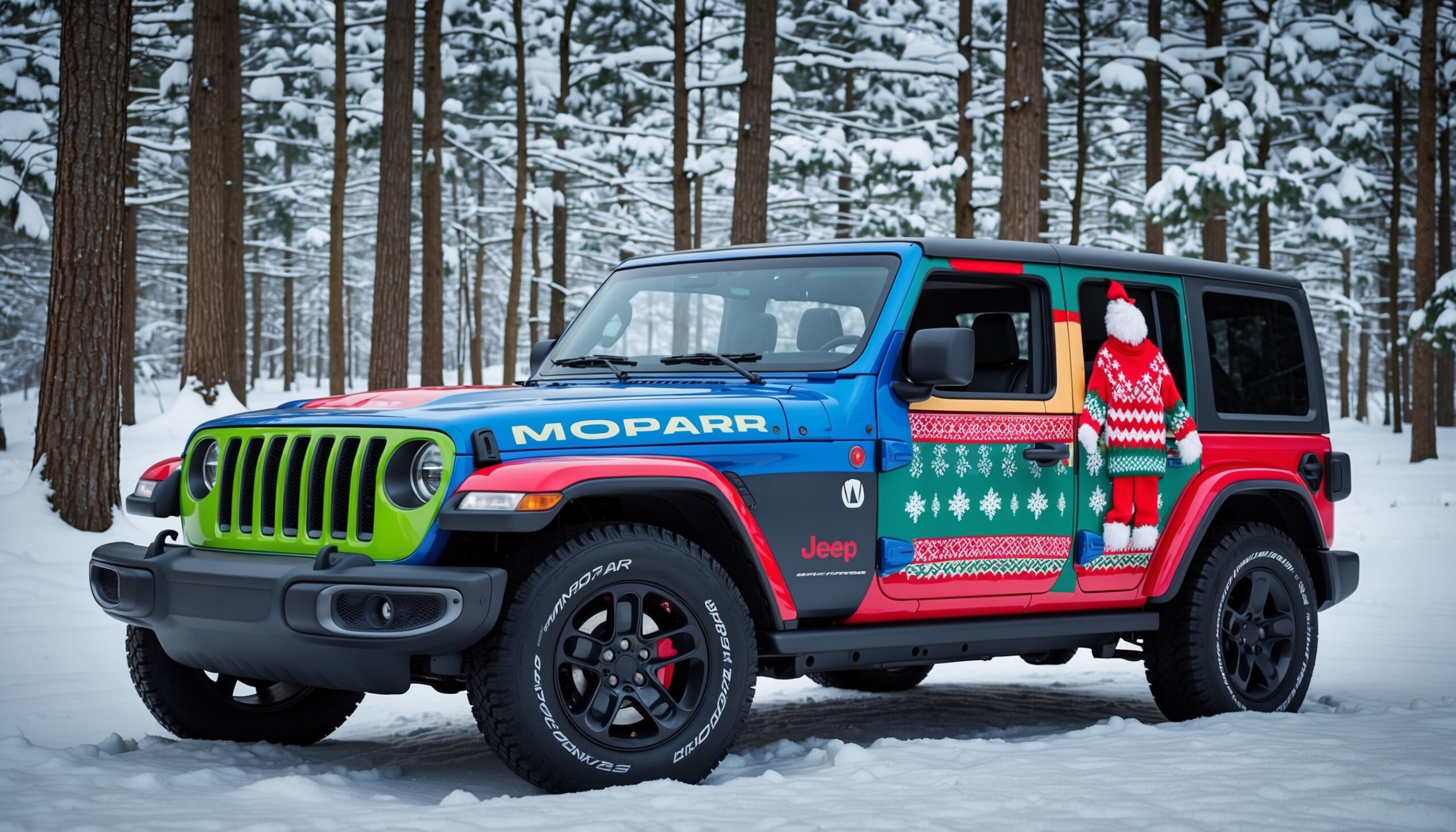
- Jeep: Known for its rugged off-road vehicles, Jeep has a loyal following and a strong brand identity.
- Ram: Specializing in trucks and vans, Ram has carved a niche as a leader in the pickup segment.
- Dodge: With a focus on performance and muscle cars, Dodge appeals to enthusiasts seeking speed and power.
- Chrysler: Positioned as a more luxury-oriented brand, Chrysler aims to attract a different demographic than its siblings.
- Fiat: The Italian brand offers compact cars and has a strong presence in Europe.
- Alfa Romeo: Known for its stylish designs and sporty performance, Alfa Romeo targets premium car buyers.
- Maserati: As a luxury brand, Maserati represents the pinnacle of Stellantis’s offerings in terms of performance and opulence.
- Peugeot: This French brand is recognized for its innovative design and technology.
- Citroën: Known for its quirky designs, Citroën appeals to those looking for something different.
- DS Automobiles: A premium brand that aims to combine French luxury with advanced technology.
- Opel: A key player in Europe, Opel is known for its reliable and practical vehicles.
- Vauxhall: The British counterpart to Opel, Vauxhall caters to the UK market.
- Lancia: Although primarily focused on the Italian market, Lancia has a rich history in motorsport.
- Abarth: A performance-focused brand, Abarth specializes in tuning Fiat models for enthusiasts.
Each of these brands has its own identity, customer base, and market challenges. However, this diversity also leads to complexities in management and strategic planning.
The Dilemma: Brand Overlap and Market Saturation
One of the most pressing issues Stellantis faces is the potential overlap among its brands. With so many offerings, the risk of cannibalization increases. For instance, Jeep and Dodge may both target off-road enthusiasts, while Chrysler and Peugeot might compete in the family sedan segment. This brand overlap can dilute marketing efforts and confuse consumers, ultimately leading to decreased sales across the portfolio.
Moreover, the global automotive market is changing rapidly, driven by electric vehicle (EV) innovation, sustainability concerns, and shifting consumer preferences. Stellantis must find a way to streamline its brand portfolio while still catering to a diverse audience. The question remains: should they consolidate brands, or could they leverage their unique strengths to create a cohesive strategy?
The Impact of Electrification
The rise of electrification in the automotive industry is a game-changer. As countries around the world push for stricter emissions regulations and a shift towards sustainable energy, Stellantis must adapt its brands accordingly. Many of its brands have already begun developing electric models, but the challenge lies in creating a unified strategy that aligns with each brand’s identity.
For example, Jeep is known for its off-road capabilities, but how do you translate that into an electric vehicle? Will consumers embrace an electric Jeep, or will it undermine the brand’s rugged reputation? These are critical questions Stellantis must address to successfully navigate the transition to electrification.
Consumer Trends and Preferences
Understanding consumer preferences is paramount for Stellantis as it seeks to refine its brand strategy. The modern car buyer is increasingly prioritizing sustainability, technology, and autonomous features. Stellantis must not only keep up with these trends but also anticipate future shifts in consumer behavior.
For instance, younger generations are more inclined to embrace new mobility solutions such as car-sharing, ride-hailing, and subscription services. Stellantis has to consider whether its traditional brands can adapt to this evolving landscape or if new brands should be introduced to cater to these preferences.
Potential Strategies for Stellantis
So, what can Stellantis do to address these challenges? Several potential strategies could help streamline its operations and enhance brand performance:
- Brand Consolidation: One option is to consolidate brands that have overlapping segments. This could simplify operations and focus resources on fewer brands, potentially leading to stronger market positions.
- Unified Branding Strategy: Stellantis could create a more unified branding strategy that emphasizes the strengths of each brand while minimizing overlap. This could involve redefining brand identities and ensuring clear messaging to consumers.
- Investment in EVs: A robust investment in electric vehicle technology across all brands could position Stellantis as a leader in sustainability. Creating a range of electric models that cater to each brand’s unique identity could attract a broader audience.
- Leveraging Shared Platforms: By using shared platforms for multiple brands, Stellantis can reduce costs and improve efficiency while maintaining brand individuality in design and features.
- Focus on Emerging Markets: Stellantis could concentrate on expanding its presence in emerging markets where automotive demand is growing. Tailoring products to local preferences could yield significant dividends.
Case Studies: Successful Brand Management
Looking at other automotive companies can provide valuable insights into how Stellantis might approach its dilemma. For instance, Toyota has successfully managed a diverse range of brands, including Lexus, Scion, and Toyota itself. By clearly defining the purpose and market for each brand, Toyota has avoided cannibalization while maximizing its reach across different segments.
Similarly, Volkswagen Group has effectively managed its portfolio, including brands like Audi, Porsche, and Skoda. By leveraging shared technology and platforms while allowing brands to maintain their identities, Volkswagen Group has thrived in a competitive landscape.
The Future of Stellantis
The road ahead for Stellantis is undoubtedly challenging, but also filled with potential. The company has an opportunity to redefine its brand strategy and embrace the changes in the automotive landscape. By focusing on sustainability, leveraging shared technologies, and understanding consumer preferences, Stellantis could emerge stronger than ever.
Another important aspect to consider is the impact of autonomous driving technology. As self-driving vehicles become more prevalent, Stellantis must determine how each brand will adapt to this new reality. Will Jeep offer an autonomous off-road vehicle, or will Dodge develop a high-performance sports car with autonomous capabilities? These decisions will shape the direction of Stellantis in the coming years.
Final Thoughts
In conclusion, Stellantis faces a complex dilemma with its 14 automotive brands. The challenge of managing such a diverse portfolio requires a strategic approach that balances brand identity with the need for consolidation and innovation. As the automotive industry continues to evolve, the decisions Stellantis makes now will have lasting impacts on its future success.
Stellantis has the potential to thrive in this new era of automotive innovation, but it will require bold moves and a willingness to adapt. Car enthusiasts, industry experts, and consumers alike will eagerly watch how Stellantis navigates this intricate landscape in the years to come.
Stay tuned to Torque Feed for more insights and updates on the automotive industry as we keep a close eye on Stellantis and its journey ahead.