Max Verstappen’s Struggle to Control the Pack in Abu Dhabi GP
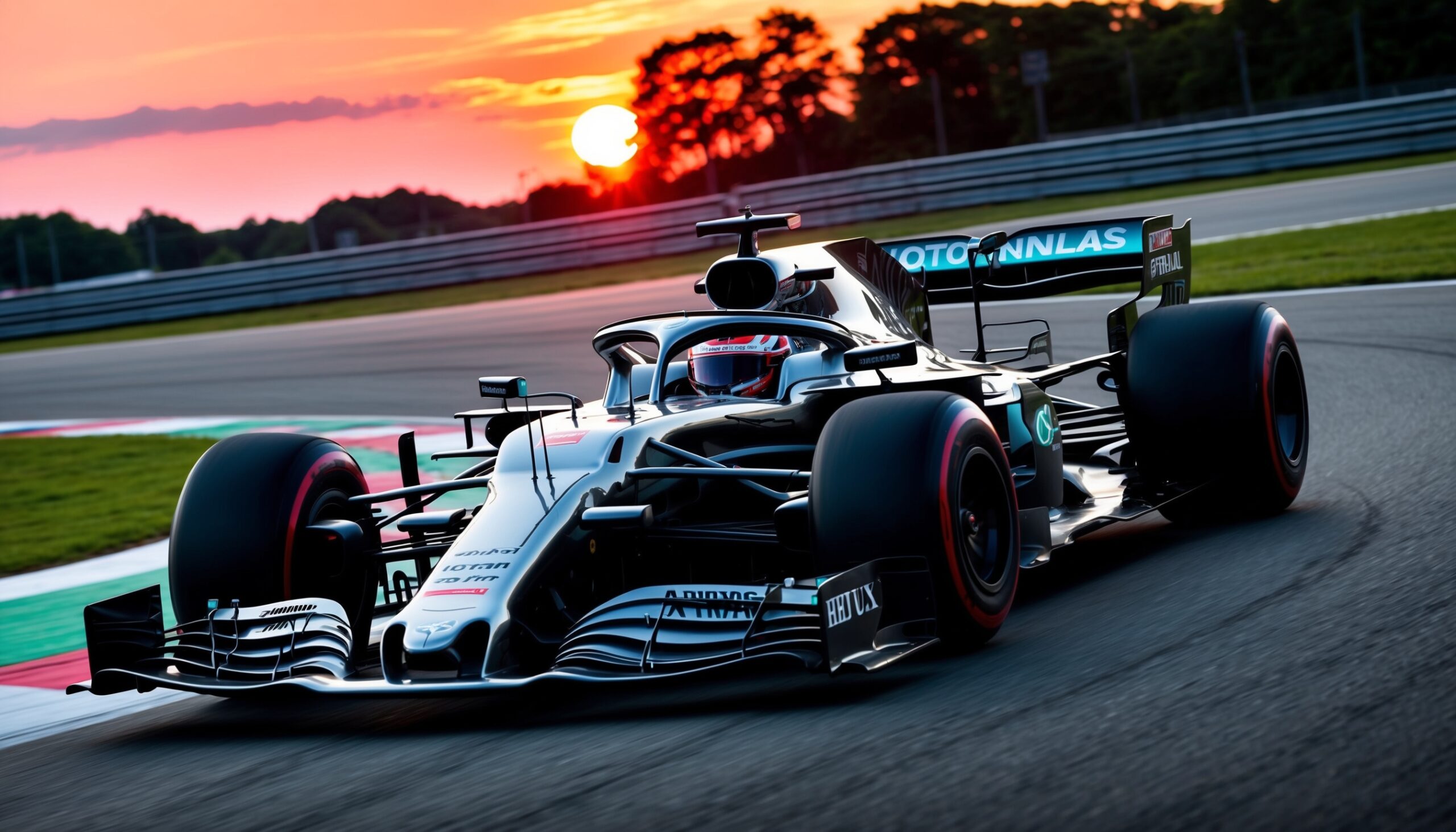
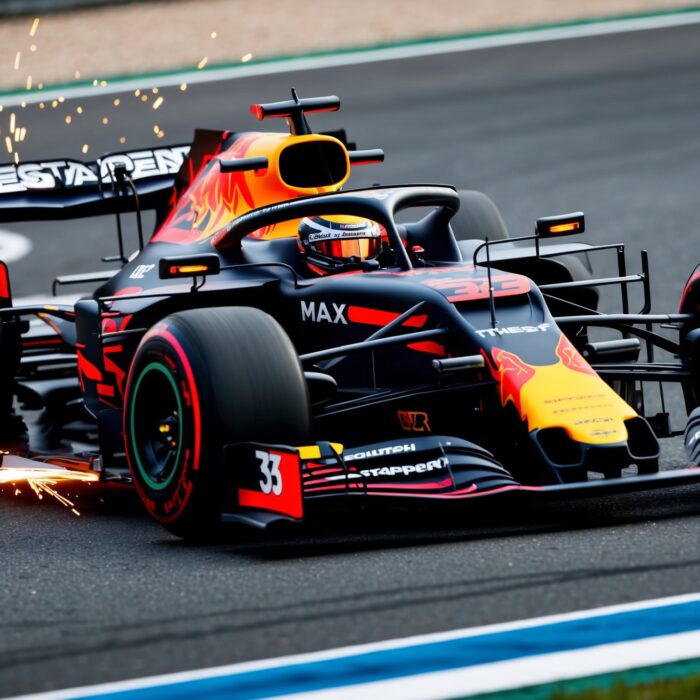
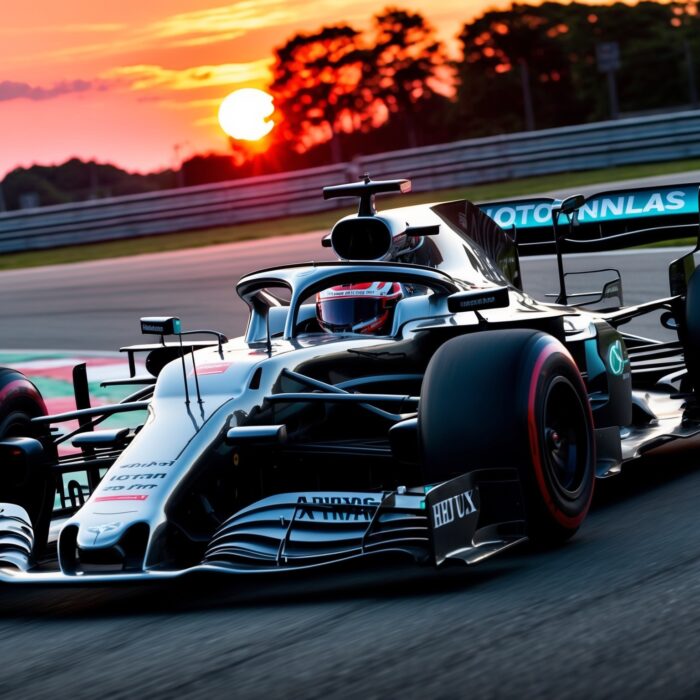
The 2023 Abu Dhabi Grand Prix was a spectacle that kept Formula 1 fans on the edge of their seats. As the sun set over the Yas Marina Circuit, the stage was set for an intense showdown, especially for Max Verstappen, the reigning world champion. Known for his aggressive driving style and unparalleled skill, Verstappen was expected to dominate the race. However, what transpired was a gripping battle that showcased the challenges of leading a pack in the high-stakes world of Formula 1. In this blog post on Torque Feed, we’ll dive deep into Verstappen’s performance, the strategies at play, and the implications for the championship run.
The Build-Up to the Race
As the teams rolled into Abu Dhabi, the atmosphere was electric. Fans were buzzing with excitement, and the stakes were higher than ever. Verstappen had already secured his second championship title earlier in the season, but each race still held significance, both for individual glory and manufacturer points.
Leading into the Abu Dhabi GP, Verstappen had a staggering number of wins under his belt, but there were whispers of his struggles to maintain control during races where he was at the front. The pressure was mounting, particularly as rivals like Lewis Hamilton and Charles Leclerc were eager to capitalize on any mistakes.
Qualifying Highlights
Qualifying is often the make-or-break moment in Formula 1, determining the starting grid and setting the tone for the race. As the cars hit the track for their flying laps, fans were keen to see if Verstappen could secure pole position. His confidence was palpable, and he delivered a stellar performance, clinching pole with a lap time that left the competition in awe.
However, the true challenge was not just about starting first; it was about the pressure of leading the race from the front. Verstappen’s ability to control the pace and fend off challengers would be put to the test as the lights went out.
The Race Begins
With the lights out, the Abu Dhabi GP kicked off with an explosive start. Verstappen bolted ahead, asserting his dominance right away. But as the first laps unfolded, it became clear that controlling the pack would not be as straightforward as anticipated.
The Yas Marina Circuit, with its tight corners and long straights, presented a unique set of challenges. Verstappen had to navigate not only the technical aspects of the track but also the relentless pressure from drivers behind him. The initial laps saw him trying to build a gap, but the pack was right on his tail, with Hamilton and Leclerc making aggressive moves to keep pace.
Challenges of Leading the Pack
Leading a Formula 1 race is akin to juggling knives while riding a unicycle. Verstappen had to manage tire degradation, fuel consumption, and the ever-looming threat of DRS (Drag Reduction System) from his competitors. Each decision he made could either solidify his lead or open the door for rivals to pounce.
- Tire Management: One of the critical aspects of racing is understanding how to manage tires over a race distance. Verstappen’s team provided him with data on tire performance, but the track conditions were ever-changing. He needed to maintain a balance between pace and tire preservation.
- Defensive Driving: As Hamilton and Leclerc began to close the gap, Verstappen had to rely on his defensive driving skills. He expertly covered his lines, making it difficult for his opponents to overtake. However, this also meant sacrificing some speed on the straights.
- Communication with the Team: Radio communication is vital in F1. Verstappen was in constant touch with his engineers, who were feeding him information on the gap to his pursuers and advising on strategy. Their insights were crucial as the race unfolded.
Mid-Race Drama
By the mid-race point, tensions were running high. The pack was bunched up, and Verstappen’s lead was threatened as DRS became active. Hamilton and Leclerc were sniffing for any opportunity to exploit a mistake, and the psychological battle intensified. Verstappen had to remain focused, not just on the road ahead, but also on his mirrors.
As the laps ticked by, Verstappen’s struggle became more evident. He was consistently quick, but the relentless pressure from behind began to take its toll. A small mistake—a slight lock-up into Turn 5—allowed Hamilton to close in. The crowd erupted as they witnessed the potential for an overtake.
Strategic Decisions
As the race approached its final stages, strategic decisions came into play. The teams began to assess the possibility of a pit stop, weighing the benefits of fresh tires against the risk of losing track position. Verstappen’s team called him in for a pit stop, hoping to undercut his rivals. This decision was critical, as it would determine whether he could regain a competitive edge.
During the pit stop, every millisecond counted. The Red Bull pit crew executed a flawless stop, but as Verstappen rejoined the track, he found himself in a precarious position—right in the thick of the pack. This was not what he had envisioned; he was now fighting not just to lead, but to defend his position.
The Final Laps
As the final laps approached, the tension was palpable. Verstappen, now on fresh tires, had to fend off a charging Hamilton, who was determined to seize the moment. The two drivers exchanged positions multiple times, showcasing their incredible skills and determination.
Verstappen’s experience came to the forefront as he navigated the twists and turns of the Yas Marina Circuit with precision. Yet, Hamilton’s relentless pursuit kept the pressure on, forcing Verstappen to drive on the edge. The battle was not just physical; it was a mental game, where every decision could lead to glory or disaster.
Lessons Learned
After an epic showdown, Verstappen crossed the finish line, securing the victory amidst cheers from his team and fans alike. However, the race revealed critical lessons about leading the pack. Verstappen’s ability to manage pressure, adapt strategies, and maintain focus under duress was commendable, but it also highlighted areas for improvement.
In the aftermath, discussions erupted about the importance of mental resilience in Formula 1. Verstappen’s struggle to control the pack in Abu Dhabi was a testament to the relentless nature of the sport, where champions are made not just through speed, but through the ability to handle adversity.
Looking Ahead
The Abu Dhabi GP was not just another race; it was a reminder of the unpredictability of motorsport. For Verstappen, the victory solidified his status as a formidable driver, but the struggles he faced serve as a cautionary tale for the future. As the 2023 season wraps up, the lessons learned from this race will undoubtedly shape his approach in the 2024 season and beyond.
For fans of Formula 1, races like this are what keep us coming back for more. The thrill of competition, the strategic depth, and the raw emotion of the drivers create a narrative that is both compelling and captivating. As we reflect on Max Verstappen’s journey through the Abu Dhabi GP, it’s clear that the essence of racing is not just about speed—it’s about heart, strategy, and the will to win.
Stay tuned to Torque Feed for more in-depth analysis and coverage of the world of motorsports. The excitement never stops, and neither do we!