IMSA Test at Daytona: First Look at 2026 LMDh Cars
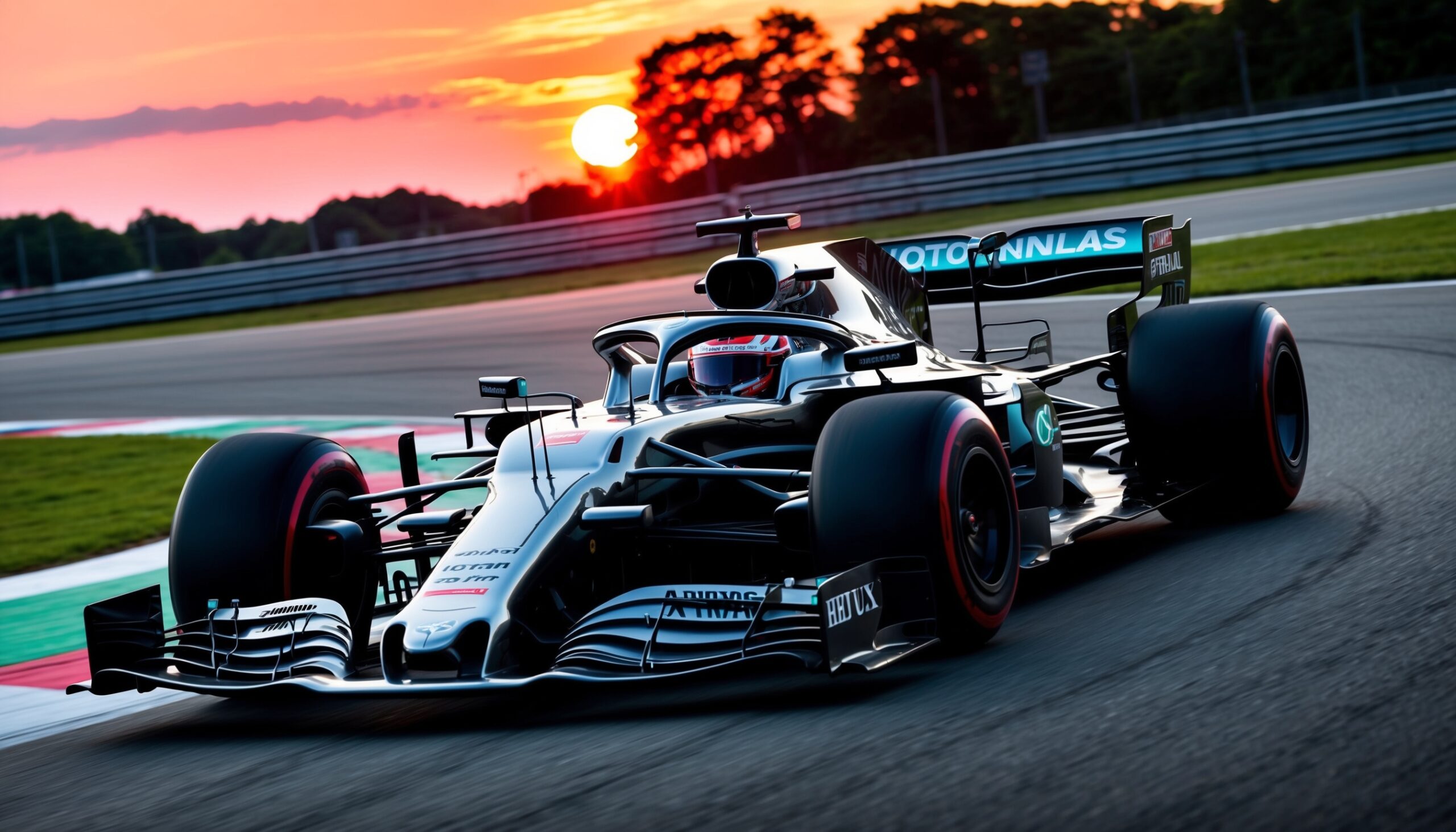
As the roar of engines filled the air at Daytona International Speedway, car enthusiasts and industry insiders gathered to witness a new chapter in endurance racing. The IMSA test event, held recently, showcased the much-anticipated 2026 LMDh (Le Mans Daytona hybrid) cars, a significant evolution in the world of motorsport. These cars represent the future of racing, combining cutting-edge technology with the spirit of competition that has defined endurance racing for decades. Torque Feed is here to dive deep into the details of these remarkable machines, the innovations they bring, and what we can expect from the upcoming season.
The LMDh Formula: A New Era in Endurance Racing
The LMDh formula was introduced to create a more competitive and cost-effective racing environment in the world of sports car racing. By allowing manufacturers to develop their own chassis while adhering to a set of technical regulations, IMSA has opened the door for a diverse range of entries. This strategy aims to enhance the competition while ensuring that teams can participate without breaking the bank.
The 2026 season promises to be particularly exciting, with several manufacturers set to debut their LMDh prototypes. The cars are designed to race not only in IMSA events but also in the FIA World Endurance Championship (WEC), making them a truly global racing platform. This dual-competition aspect is expected to increase the level of engagement among fans and participants alike.
What to Expect from the 2026 LMDh Cars
The 2026 LMDh cars are built on a foundation of advanced technology and innovation. Here are some key features that set these vehicles apart:
- Hybrid Powertrains: The LMDh cars will utilize hybrid technology, combining a traditional internal combustion engine with electric motors. This setup not only enhances performance but also improves fuel efficiency, a crucial factor in long-distance racing.
- Weight Regulations: To promote parity among different manufacturers, the LMDh regulations set strict weight limits. This ensures that no single car has an overwhelming advantage, fostering close competition.
- Chassis Customization: While manufacturers must adhere to certain guidelines, they have the freedom to develop their own chassis. This allows for unique designs that reflect each brand’s identity and engineering philosophy.
- Aerodynamic Efficiency: The 2026 LMDh cars will feature cutting-edge aerodynamic designs that aim to minimize drag while maximizing downforce. This balance is critical for performance on the high-speed circuits like Daytona.
A Sneak Peek at the New Entrants
During the IMSA test at Daytona, several manufacturers unveiled their prototypes, each showcasing distinctive designs and engineering approaches. Here’s a glimpse of some of the standout entries:
- Porsche: Known for their prowess in endurance racing, Porsche’s LMDh car features a sleek design and a powerful hybrid system. The engineers have focused on optimizing weight distribution and aerodynamics to ensure competitive performance on the track.
- BMW: The Bavarian brand brought a striking prototype that emphasizes both performance and luxury. With a hybrid powertrain designed for maximum efficiency and speed, BMW aims to reclaim its place at the top of the endurance racing hierarchy.
- Audi: Returning to the endurance scene, Audi’s LMDh car is a testament to their commitment to innovation. The design incorporates lessons learned from previous racing experiences, blending performance with sustainability.
- Glickenhaus: This manufacturer has made waves in recent years with its unique approach to racing. The Glickenhaus LMDh car is not only fast but also a visual stunner, showcasing a design that turns heads on and off the track.

Driving Performance: What We Learned at the Test
The IMSA test at Daytona was not just a showcase; it was a critical opportunity for teams to gather data and refine their vehicles. Here are some insights from the testing sessions:
- Lap Times: While the final lap times are often closely guarded secrets, early reports suggest that the new LMDh cars are setting competitive times, rivaling their predecessors and hinting at an exciting season ahead.
- Handling Characteristics: Teams reported that the hybrid systems are providing a noticeable boost in acceleration, particularly out of corners, which is essential for tracks with a mix of tight turns and long straights like Daytona.
- Reliability Testing: Endurance racing is as much about reliability as it is about speed. Teams utilized this test to push their cars to the limit, gathering valuable information on performance under race conditions.
Fan Engagement and the Future of LMDh
The excitement surrounding the 2026 LMDh cars extends beyond just the technical specifications. Fans are eager to see how these innovations translate into thrilling races. The hybrid powertrains, for instance, bring an element of strategy into play, with teams needing to manage energy use throughout the race.
Also Read: Consumer Reports Says These Are The Best Used Cars Under $20,000
Moreover, the cross-pollination between IMSA and WEC means that fans will have the opportunity to witness top-tier racing on a global scale. Events like the 24 Hours of Le Mans will feature the same LMDh cars, creating a unified spectacle that highlights the best of endurance racing.
Challenges Ahead for Teams and Manufacturers
While the excitement is palpable, the road to the 2026 season is not without its challenges. Here are a few hurdles that teams and manufacturers will need to navigate:
- Cost Management: Despite the intention to create a cost-effective racing environment, teams must still balance budgets while developing competitive vehicles. The financial aspect can be a significant stressor, especially for privateer teams.
- Technical Regulations: Adapting to the ever-evolving technical regulations can be a daunting task. Teams need to stay ahead of the curve while ensuring compliance with the rules.
- Fan Expectations: With high anticipation comes high expectations. Teams must deliver not only in terms of performance but also in engaging the fanbase, creating memorable experiences at the racetracks.
The Community Impact of LMDh
The LMDh initiative is not just about racing; it’s about building a community around the sport. Manufacturers are working to engage fans through various channels, from social media to interactive events at races. This community approach aims to enhance the overall experience for spectators and create a deeper connection between fans and the sport.
One exciting aspect of the LMDh program is the emphasis on sustainability. As manufacturers explore hybrid technologies, they are also considering their environmental impact, which is becoming an increasingly important factor in the automotive industry. Fans are eager to support initiatives that align with eco-friendly practices, making the LMDh cars not only faster but also greener.
Also Read: Consumer Reports Says These Are The Best Used Cars Under $20,000
Looking Ahead: The 2026 Season
As we look ahead to the 2026 season, the anticipation for the LMDh cars continues to grow. With the right blend of technology, competition, and fan engagement, this new era of endurance racing promises to be nothing short of spectacular.
For car enthusiasts, the IMSA test at Daytona offered a tantalizing glimpse into the future of racing. The combination of traditional craftsmanship and modern engineering creates a thrilling narrative that is sure to captivate the hearts and minds of fans worldwide. Torque Feed will continue to follow the developments in the world of endurance racing, bringing you the latest updates and insights as the 2026 season approaches.