Genesis Designer Predicts Decline in SUV Popularity
As the automotive landscape continues to evolve, trends come and go, and sometimes they shift with surprising speed. Recently, the head designer at Genesis, the luxury division of Hyundai, made a bold prediction that has left many automotive enthusiasts pondering the future of our beloved SUVs. With the growing concerns about sustainability and changing consumer preferences, could it be true that the popularity of SUVs is beginning to wane? Let’s explore the insights shared by the Genesis designer, delve into the reasons behind this potential shift, and discuss how it could impact the automotive industry as a whole.
The Rise of the SUV
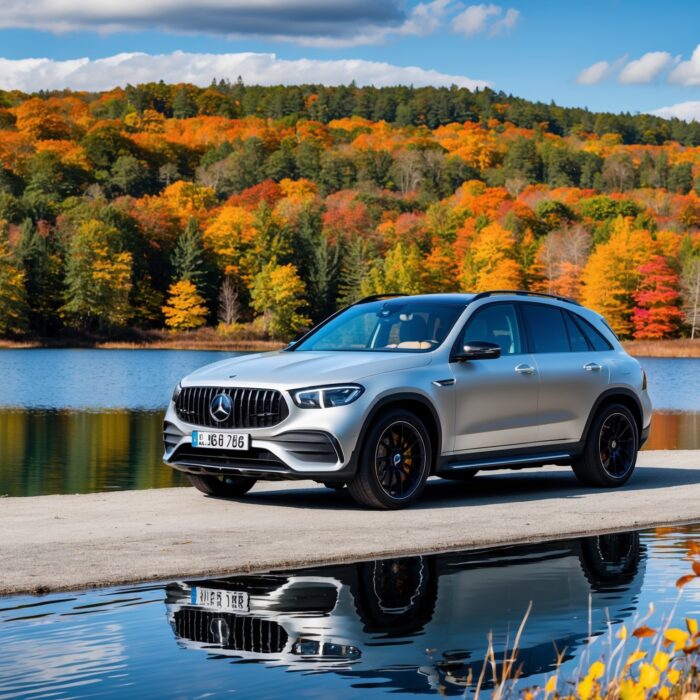
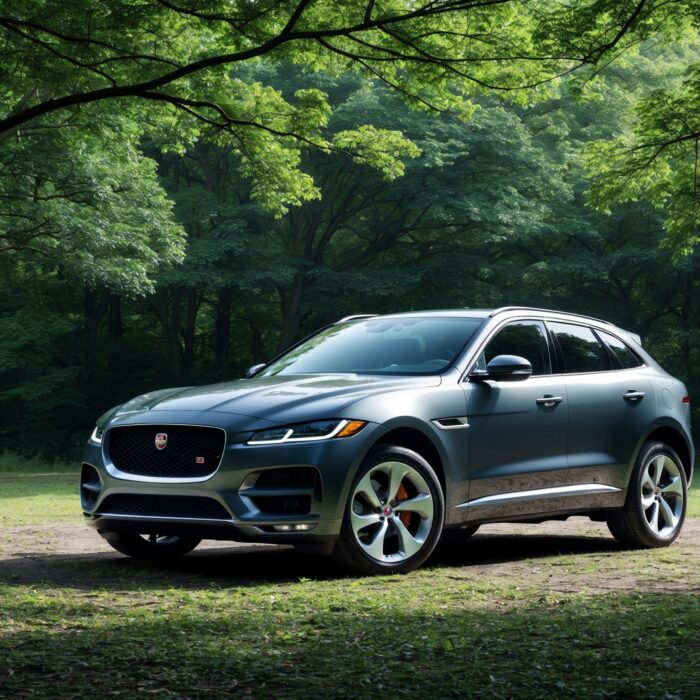
Before we dive into the predictions, it’s essential to recognize how we got here. The SUV has dominated the automotive market for the better part of two decades. With their high driving positions, spacious interiors, and perceived safety, they have become the go-to choice for families, adventurers, and city dwellers alike. The love for SUVs has been fueled by:
- Versatility: SUVs are often seen as the perfect blend of utility and comfort, making them suitable for a wide variety of lifestyles.
- Space: With ample cargo and passenger space, they are ideal for road trips and daily commutes.
- Performance: Many modern SUVs come equipped with powerful engines and advanced technology, appealing to driving enthusiasts.
However, the automotive world is shifting, and the head designer at Genesis, Luc Donckerwolke, has his finger on the pulse of these changes. He suggests that the SUV’s reign may not last forever.
Shifting Consumer Preferences
Donckerwolke points out that as consumers become more environmentally conscious, their preferences are evolving. Increasingly, buyers are looking for vehicles that reflect their values, and this shift is particularly evident among younger generations. Here are a few trends he highlighted:
- Electric Vehicles (EVs): As electric vehicle technology advances, many consumers are gravitating towards EVs for their lower carbon footprint. This trend challenges traditional SUVs, which often rely on less efficient gasoline engines.
- Urbanization: With more people moving to cities, compact cars and crossovers are becoming more appealing. Urban dwellers often prefer smaller vehicles that are easier to park and maneuver in tight spaces.
- Minimalism: The younger generation tends to favor a more minimalist lifestyle, which includes downsizing their possessions and, by extension, their vehicles. A smaller car can be a reflection of this lifestyle choice.
Fuel Economy and Environmental Concerns
One of the major driving forces behind the predicted decline in SUV popularity is the increasing emphasis on fuel economy and environmental impact. With gas prices fluctuating and concerns about climate change escalating, consumers are becoming more conscious of their vehicle’s fuel efficiency. Donckerwolke notes that:
- Regulatory Changes: Governments around the world are implementing stricter emissions regulations, which could lead to higher costs for manufacturers that produce larger, less fuel-efficient vehicles.
- Consumer Awareness: As educational campaigns around climate change grow, consumers are more informed about the environmental impact of their vehicle choices.
In response, many automakers, including Genesis, are pivoting towards developing more environmentally friendly vehicles. This shift not only aligns with consumer preferences but also prepares manufacturers for future regulations that could significantly impact the SUV market.
The Competition from Sedans and Crossovers
While SUVs have taken center stage, sedans and crossovers are making a notable comeback. With advancements in technology and design, these vehicles are becoming more appealing than ever. Some reasons for this resurgence include:
- Improved Technology: Modern sedans and crossovers now feature advanced safety and entertainment technologies that rival those found in SUVs.
- Stylish Designs: Manufacturers are investing heavily in design, making sedans and crossovers more visually appealing and competitive.
- Cost-Effectiveness: Typically, sedans and smaller crossovers are more affordable than their SUV counterparts, making them attractive to budget-conscious consumers.
The competition from these vehicle segments could further pressure the SUV market, as buyers reconsider their options based on their needs and preferences.
Innovation in the Automotive Industry
As the automotive industry faces a potential decline in SUV popularity, innovation remains at the forefront of manufacturer strategies. Companies are exploring new technologies and designs to attract consumers and adapt to changing market dynamics. Some exciting developments include:
- Autonomous Vehicles: With the rise of self-driving technology, the focus is shifting towards creating vehicles that emphasize comfort and convenience rather than size.
- Shared Mobility: As ride-sharing services grow in popularity, the need for individual vehicle ownership may decline, prompting manufacturers to rethink their offerings.
- Hybrid Technologies: Many automakers are investing in hybrid technologies that combine the benefits of electric and traditional engines, appealing to a broader audience.
As a result, we can expect to see a more diverse range of vehicles on the market, catering to various consumer preferences and lifestyles.
The Future of SUVs
While the Genesis designer’s prediction might seem alarming to SUV enthusiasts, it doesn’t necessarily spell doom for this beloved vehicle segment. Instead, it could lead to a transformation of what SUVs look like and how they function. Here are a few potential futures for SUVs in the coming years:
- Electrification: Many manufacturers are already developing electric SUVs, which could help alleviate some environmental concerns while still providing the size and utility that consumers love.
- Redefining Size: The future may see a shift towards smaller, more efficient SUVs that retain the core appeal of the segment without the drawbacks of traditional, larger models.
- Enhanced Features: To stay competitive, SUVs might adopt advanced technology and luxury features that cater to the evolving preferences of consumers.
Ultimately, the fate of the SUV will depend on how manufacturers respond to changing trends and consumer demands. As automotive enthusiasts, we should remain excited about the innovations on the horizon, regardless of what shape they take.
Final Thoughts
The automotive world is in constant flux, and predictions about the decline of SUVs are just one part of a much larger conversation about the future of mobility. As we navigate this landscape, it’s crucial to stay informed and engaged with the developments that shape our driving experiences. Torque Feed will continue to keep you updated on trends, innovations, and insights from industry leaders as we witness the evolution of vehicles around us.
Whether the SUV remains a staple in our garages or transforms into something entirely new, the passion for cars will undoubtedly endure, and so will the excitement of exploring what’s next on the horizon.