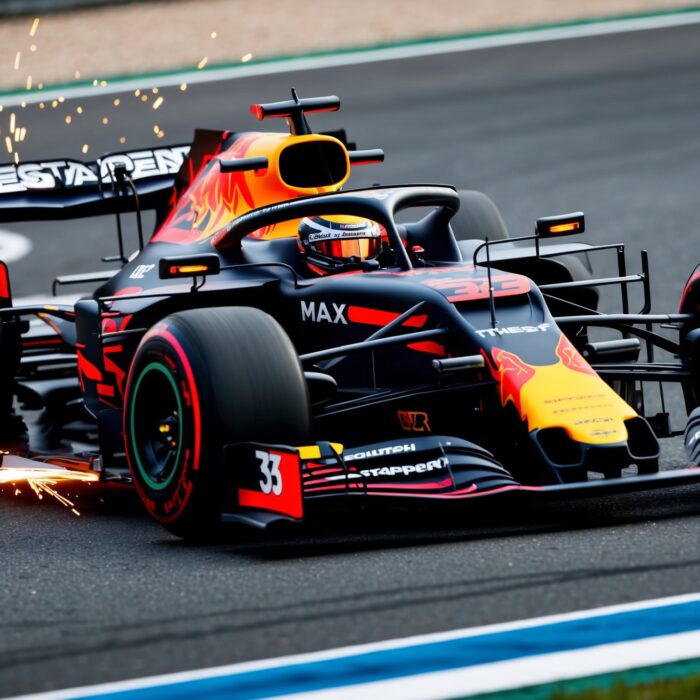
Max Verstappen Cancels FIA Awards Appearance Due to Illness
The world of Formula 1 is no stranger to drama, excitement, and unexpected twists. However, it seems that even the most dedicated drivers are not immune to the whims of illness. Recently, the reigning world champion, Max Verstappen, made headlines for all the wrong reasons as he announced his withdrawal from the FIA Awards ceremony due to health concerns. Here at Torque Feed, we delve deeper into the implications, reactions, and the overall state of the F1 community following this news.
The FIA Awards: A Celebration of Excellence
The FIA Awards is an annual event that celebrates the achievements of drivers, teams, and officials across various motorsport disciplines. It’s a night filled with glitz, glamour, and recognition of hard work and talent. For many, it’s the pinnacle of the racing season, a time to reflect on the year gone by and to toast the champions.
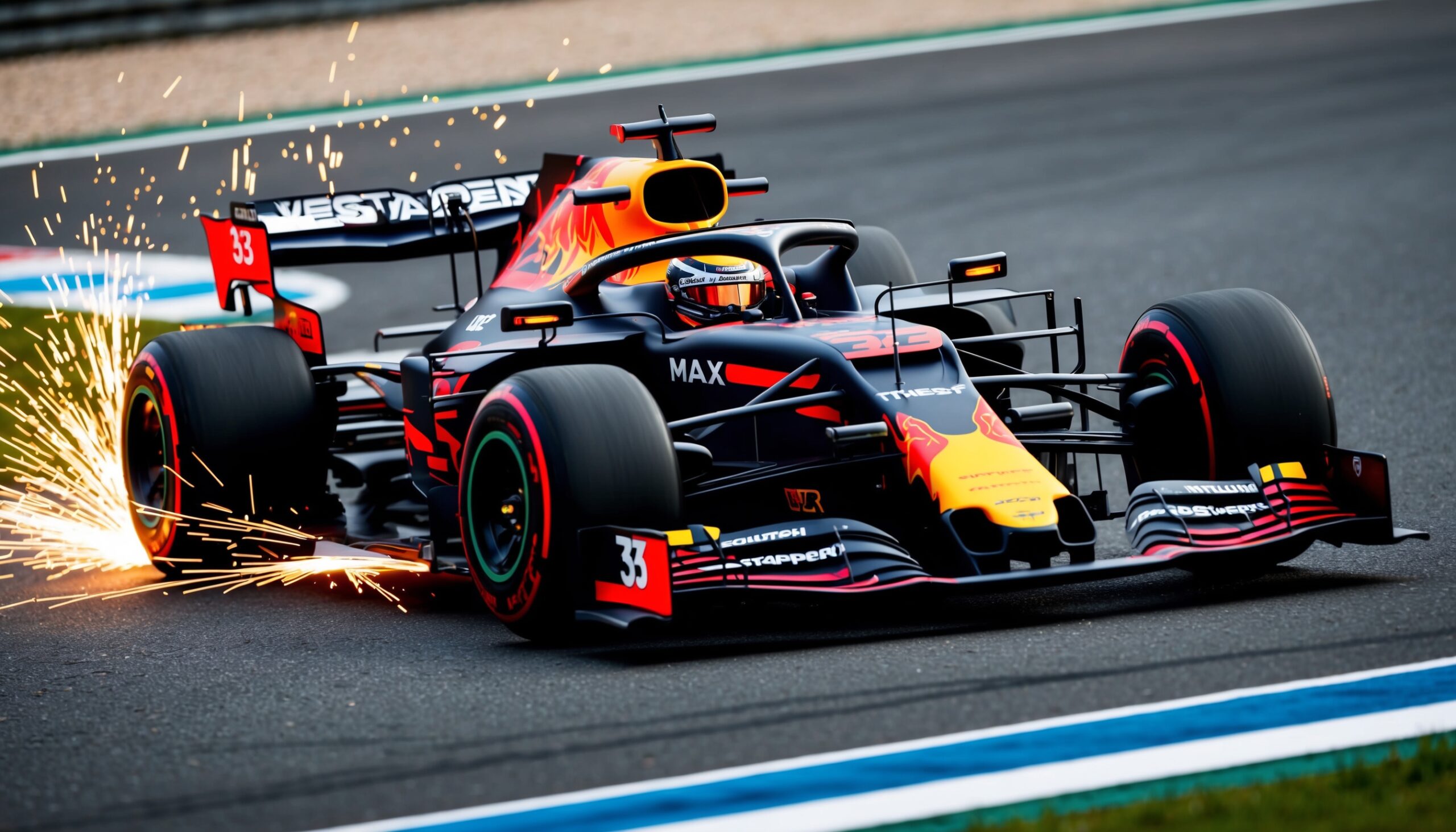
Max Verstappen, having secured his second consecutive World Championship title in 2022, was expected to be one of the stars of the night. His presence at the awards ceremony was highly anticipated, not just for his accolades but also for his charismatic personality that has won over fans and critics alike. However, the news of his cancellation raised eyebrows and sparked concern among fans and fellow drivers.
What Happened?
According to reports, Verstappen experienced symptoms that led him to prioritize his health over attending the prestigious event. While specific details about his illness were not disclosed, it was serious enough for him to make the difficult decision to sit out the celebration. This decision underscores a growing awareness within sports about the importance of health and well-being—something that many athletes often neglect in the pursuit of victory.
Reactions from the F1 Community
The announcement of Verstappen’s withdrawal prompted a wave of reactions from fans, fellow drivers, and even team personnel. Many expressed their support for the Dutch driver, emphasizing that his health should always come first. The racing community is tightly knit, and drivers often share a profound respect for one another, understanding the physical and mental demands of the sport.
- Fellow Drivers: Many drivers took to social media to wish Max a speedy recovery. The camaraderie displayed by his peers highlights the respect they have for him, both on and off the track.
- Fans: Social media was abuzz with messages of support from fans around the world. Hashtags like #GetWellMax trended as people rallied behind their champion.
- Team Personnel: Red Bull Racing, Verstappen’s team, released a statement expressing their disappointment but understanding of his decision. They emphasized the importance of prioritizing health over public appearances.
The Impact on Verstappen’s Legacy
While missing the FIA Awards may seem trivial in the grand scheme of things, it does raise questions about how this might affect Verstappen’s legacy. The young driver has already made significant strides in his career, becoming one of the most talented and talked-about racers in F1 history. However, each missed opportunity to engage with fans and the media can be seen as a missed chance to further solidify his status.
Nevertheless, Verstappen’s decision to prioritize his health demonstrates maturity beyond his years. It sends a strong message that even elite athletes are human, and their well-being should always take precedence. This decision could potentially enhance his legacy, as fans appreciate a champion who understands the importance of self-care.
Looking Ahead: What’s Next for Verstappen?
As the F1 community looks forward to the next season, many are wondering what this health scare means for Verstappen’s future. The new season promises to bring fresh challenges, rivalries, and the pressure of defending his title. How he bounces back from this situation will be crucial—not just for his performance on the track but also for his mental health.
Verstappen has shown remarkable resilience throughout his career, often facing challenges head-on. This latest incident may serve as a reminder for him to take a step back when necessary, ensuring that he remains at his best both physically and mentally.
The Bigger Picture: Health and Well-Being in Motorsports
This incident brings to light a broader issue within motorsports—the intense pressure drivers face and the toll it can take on their health. The physical demands of racing are immense, with drivers enduring extreme G-forces, long hours of concentration, and the mental strain of competing at the highest level. It’s crucial for athletes, teams, and organizations to prioritize mental and physical health.
- Mental Health Awareness: The discussion around mental health in sports has gained traction in recent years. Drivers like Verstappen can play a pivotal role in normalizing conversations around mental well-being.
- Team Support: Teams must ensure that drivers have access to the necessary support systems, whether it’s through medical staff, mental health professionals, or simply promoting a culture where taking time off is not seen as a weakness.
- Fan Expectations: Fans should also understand the pressures athletes face. While it’s natural to want to see your favorite driver in every event, supporting their need for rest and recovery is equally important.
Final Thoughts on Verstappen’s Absence
Max Verstappen’s absence from the FIA Awards ceremony due to illness serves as a poignant reminder of the human side of elite athletes. The world of Formula 1 is fast-paced and demanding, but at its core, it’s about individuals who face challenges both on and off the track. As fans, we must support our champions through thick and thin, recognizing that their health and well-being are paramount.
As the racing world looks ahead to the start of a new season, we can only hope for a swift recovery for Verstappen and an exciting year of racing to come. Here at Torque Feed, we will continue to follow his journey and the developments in the F1 world, celebrating the highs and supporting the lows. After all, it’s not just about the races; it’s about the people behind the helmets.