Stop Coasting in Neutral and Start Gaining Momentum
As car enthusiasts, we often find ourselves in deep conversations about performance, power, and the thrill of the open road. But amidst the discussions on horsepower and torque, we sometimes forget one crucial aspect: the importance of momentum. Today, at Torque Feed, we’re diving into why you should stop coasting in neutral—figuratively and literally—and how to harness your vehicle’s full potential for an exhilarating driving experience.
The Thrill of Momentum
Momentum is a fascinating concept in physics but even more exciting in the realm of automotive performance. In simple terms, momentum is the quantity of motion an object has. For our purposes, it refers to how effectively a vehicle maintains speed and accelerates during driving. Understanding how to manage momentum can transform your driving experience from mundane to exhilarating.
When you coast in neutral, you lose that precious momentum. Imagine driving on a winding mountain road, feeling the car hug the curves, the engine purring with each turn. Now picture that same drive, but you’re coasting in neutral, legs crossed, and simply letting gravity do the work. You may think you’re conserving fuel, but in reality, you’re losing the very essence of what makes driving enjoyable.
Why Coasting in Neutral is a Bad Habit
Let’s break down why coasting in neutral is not just a bad driving habit but also a safety concern:
- Loss of Control: When you’re in neutral, you lose direct control over your vehicle’s acceleration and deceleration. This can lead to dangerous situations, especially when you need to react quickly.
- Increased Stopping Distance: Coasting in neutral means you won’t have the benefit of engine braking. This could result in longer stopping distances, which is particularly hazardous in emergency situations.
- Reduced Awareness: Coasting can create a false sense of security. Drivers may become less aware of their surroundings, leading to potential accidents.
- Fuel Economy Myth: Many believe coasting in neutral saves fuel, but modern engines are designed to optimize fuel consumption even when in gear. Coasting can actually be less efficient.
The Science Behind Momentum
To better appreciate the value of momentum, let’s look at the science behind it. Momentum is calculated as the product of an object’s mass and its velocity. In driving, a heavier car may have more momentum at the same speed than a lighter one. This means that your vehicle’s weight and speed work together to create a force that can be harnessed for acceleration and cornering.
When you maintain momentum while driving, your vehicle is more responsive. You can navigate curves smoothly, accelerate out of turns efficiently, and keep your speed up on straightaways. It’s all about that beautiful dance between the car’s engine, transmission, and driver input.
Techniques to Gain Momentum
So, how do you stop coasting in neutral and start gaining momentum? Here are some driving techniques you can implement to maximize your vehicle’s performance:
1. Learn to Anticipate
One of the keys to gaining momentum is learning to anticipate the road ahead. Look down the road and predict when you’ll need to slow down or accelerate. This foresight allows you to keep your vehicle in gear and maintain momentum, rather than coasting to a stop.
2. Use Engine Braking
Engine braking is a technique that involves downshifting to use the engine’s resistance to slow the car down. This not only helps maintain momentum but also reduces wear on your brakes. Mastering this technique allows for smoother transitions around corners and minimizes the need to come to a complete stop.
3. Master Your Throttle Control
Throttle control is vital in maintaining momentum. Whether you’re accelerating out of a corner or merging onto a highway, being smooth on the throttle can help keep your speed up without unnecessary jerks or lags. Practice gentle yet assertive throttle inputs to find that sweet spot where your car feels the most responsive.
4. Understand Weight Transfer
Weight transfer plays a significant role in how your vehicle handles momentum. When you accelerate, weight shifts to the rear; when you brake, it shifts to the front. Understanding this can help you maintain better control during both acceleration and braking. Utilize this knowledge to your advantage, especially in performance driving situations.
The Impact of Vehicle Dynamics
Every car has a unique set of dynamics that can affect how momentum is gained and maintained. Here are some factors to consider:
- Center of Gravity: A lower center of gravity can help a car handle better and maintain momentum through corners.
- Suspension Setup: The type of suspension and its tuning can greatly affect how weight is transferred during acceleration and braking.
- Tire Selection: Choosing the right tires can enhance grip and performance, making it easier to maintain momentum.
Real-World Applications
Now that we’ve talked about the theory and techniques, let’s look at some real-world applications of gaining momentum.
1. Daily Driving
In your everyday driving, maintaining momentum can mean the difference between a smooth commute and a frustrating one. By anticipating traffic signals and adjusting your speed, you can glide through city streets with minimal stops, maximizing your fuel efficiency and making your drive more enjoyable.
2. Performance Driving
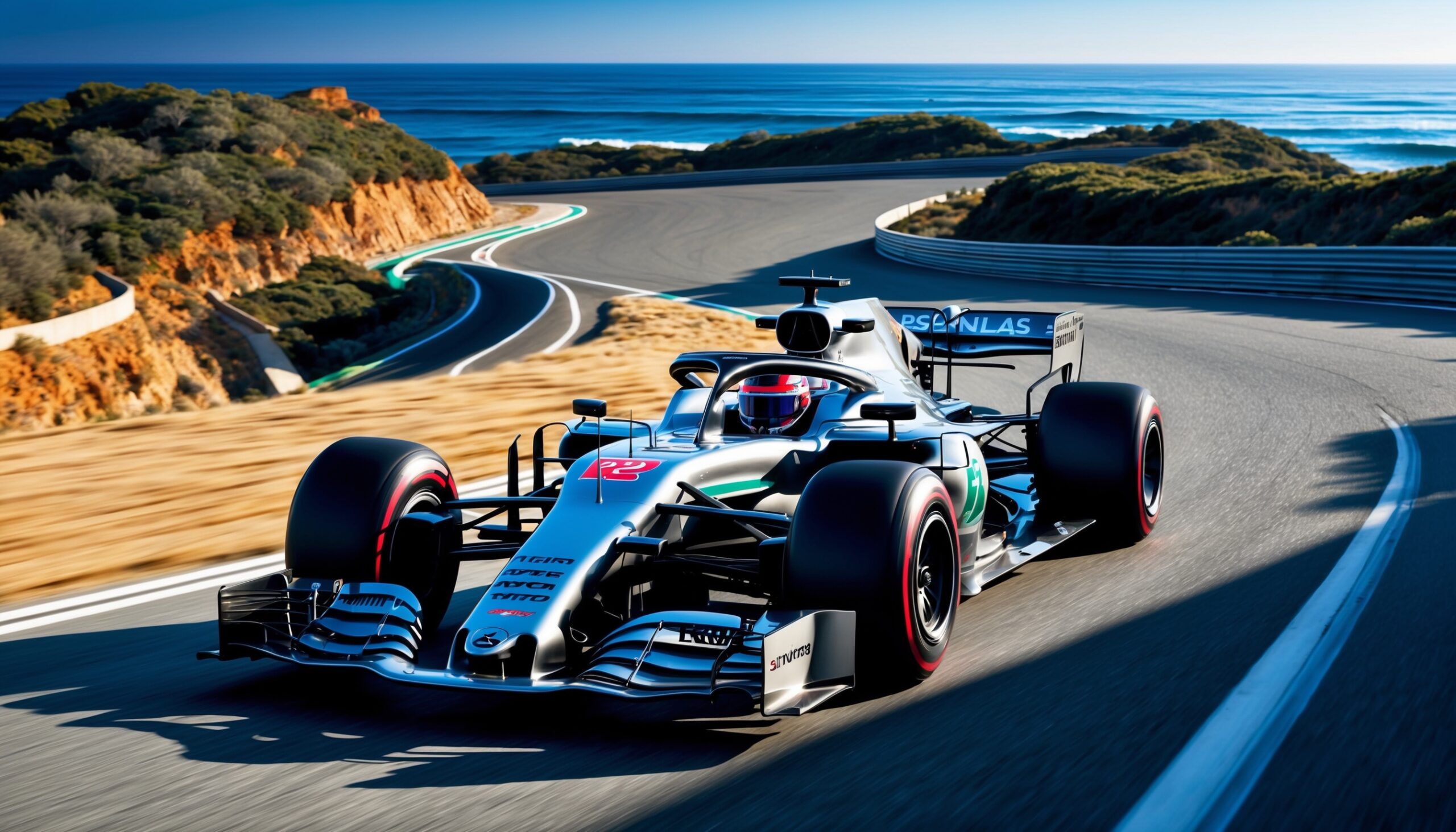
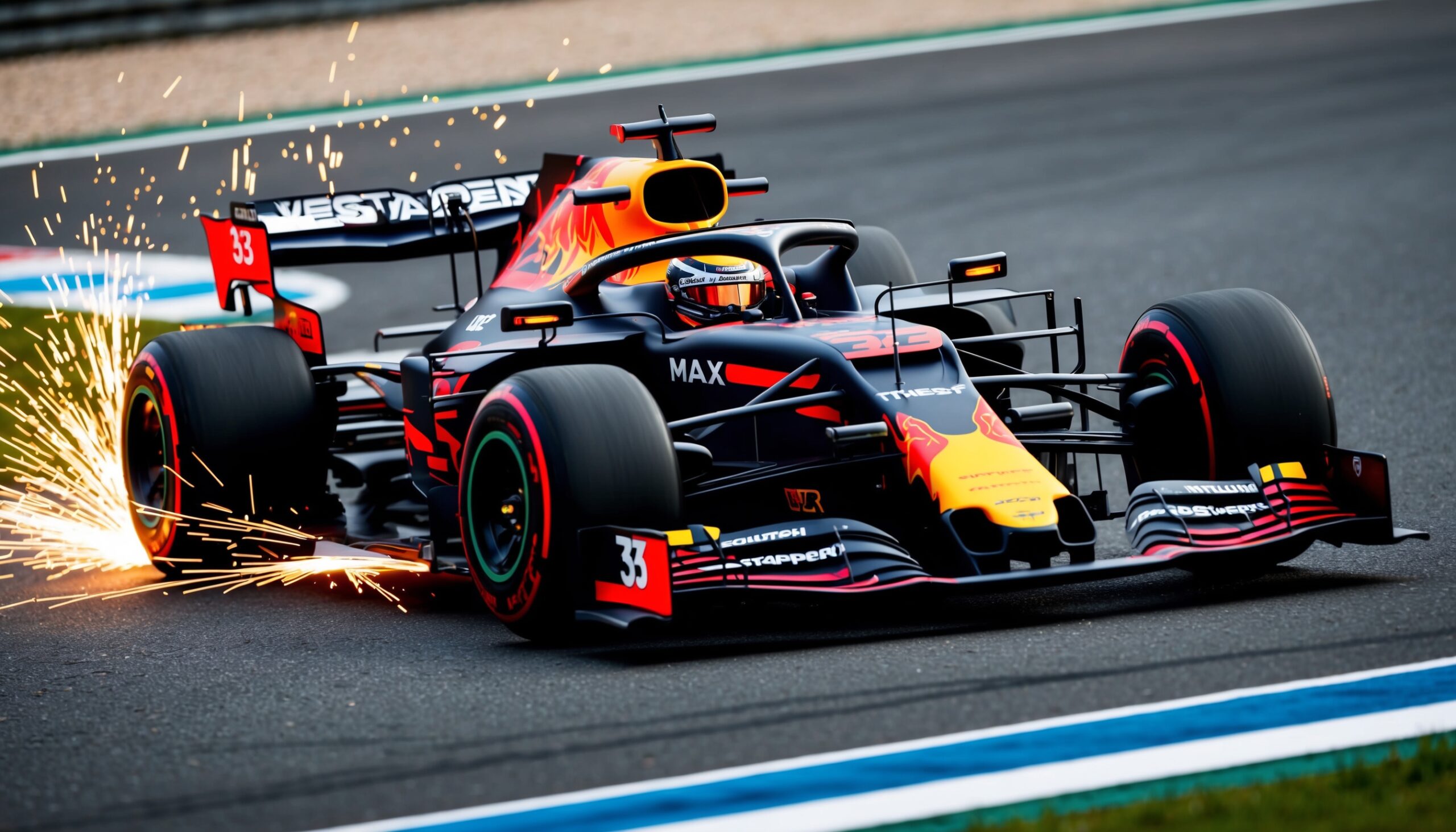
If you’re hitting the track or taking your car on a spirited drive through the twisties, maintaining momentum is crucial. The ability to carry speed through corners will not only improve your lap times but will also enhance your overall driving experience. Learning to read the road and adjust your throttle and braking inputs can unlock new levels of performance.
3. Off-Road Adventures
In off-road scenarios, maintaining momentum can help you navigate obstacles more effectively. Rather than coming to a complete stop, using momentum to carry you over rocks or through mud can prevent you from getting stuck and ensure a smoother ride.
Tools to Help You Gain Momentum
In today’s tech-savvy world, there are tools and gadgets that can help you understand and improve your momentum management:
- Data Loggers: These devices can track various parameters of your driving, helping you analyze your performance over time.
- Lap Timers: Useful for performance driving, lap timers can help you gauge how well you’re maintaining momentum on the track.
- Performance Apps: Several mobile apps can help you monitor your driving habits, offering insights into how to improve your momentum.
Join the Torque Feed Community
At Torque Feed, we’re passionate about sharing knowledge and experiences with fellow car enthusiasts. Whether you’re a seasoned driver or just starting to explore the world of automotive performance, understanding how to gain momentum will elevate your driving experience. Share your thoughts and techniques in the comments below, and let’s keep the conversation rolling. Together, we can all stop coasting in neutral and start gaining momentum!
So, what are you waiting for? Get out there, hit the road, and put your newfound knowledge into practice. The thrill of driving awaits you!