Key Takeaways from F1’s Strategic 2025 Qatar Grand Prix
The 2025 Qatar Grand Prix was a captivating chapter in the F1 calendar, showcasing not just the speed and skill of the drivers, but also the intricate strategies that teams employed to secure victory. As fans and enthusiasts, we are always eager to dissect every thrilling moment and strategic decision that unfolds on the track. Here at Torque Feed, we’ve put together some key takeaways from this monumental race that you won’t want to miss!
The Setting: Lusail International Circuit
First, let’s talk about the venue—the Lusail International Circuit. Nestled in the heart of Qatar, this track is known for its unique layout and challenging corners. With a combination of long straights and tight turns, teams needed to carefully balance speed and handling. The night race atmosphere added an extra layer of excitement, with the circuit illuminated by thousands of lights, making it a spectacular sight to behold.
Teams and Drivers: A Battle of Wits
Going into the 2025 Qatar Grand Prix, several teams had their eyes set on the championship. Key players included:
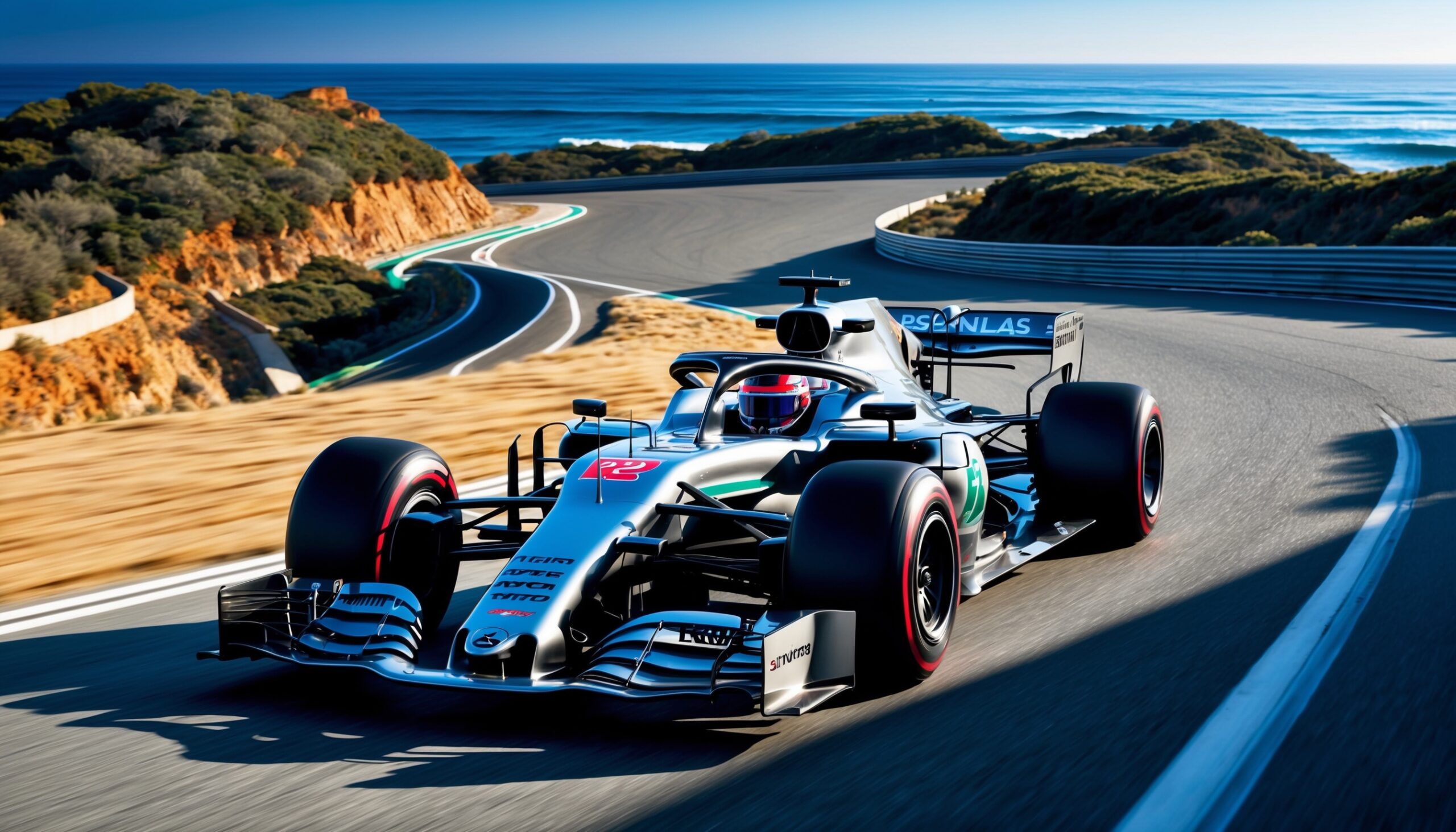
- Mercedes – With their powerful engine and an impressive driver lineup, they were strong contenders.
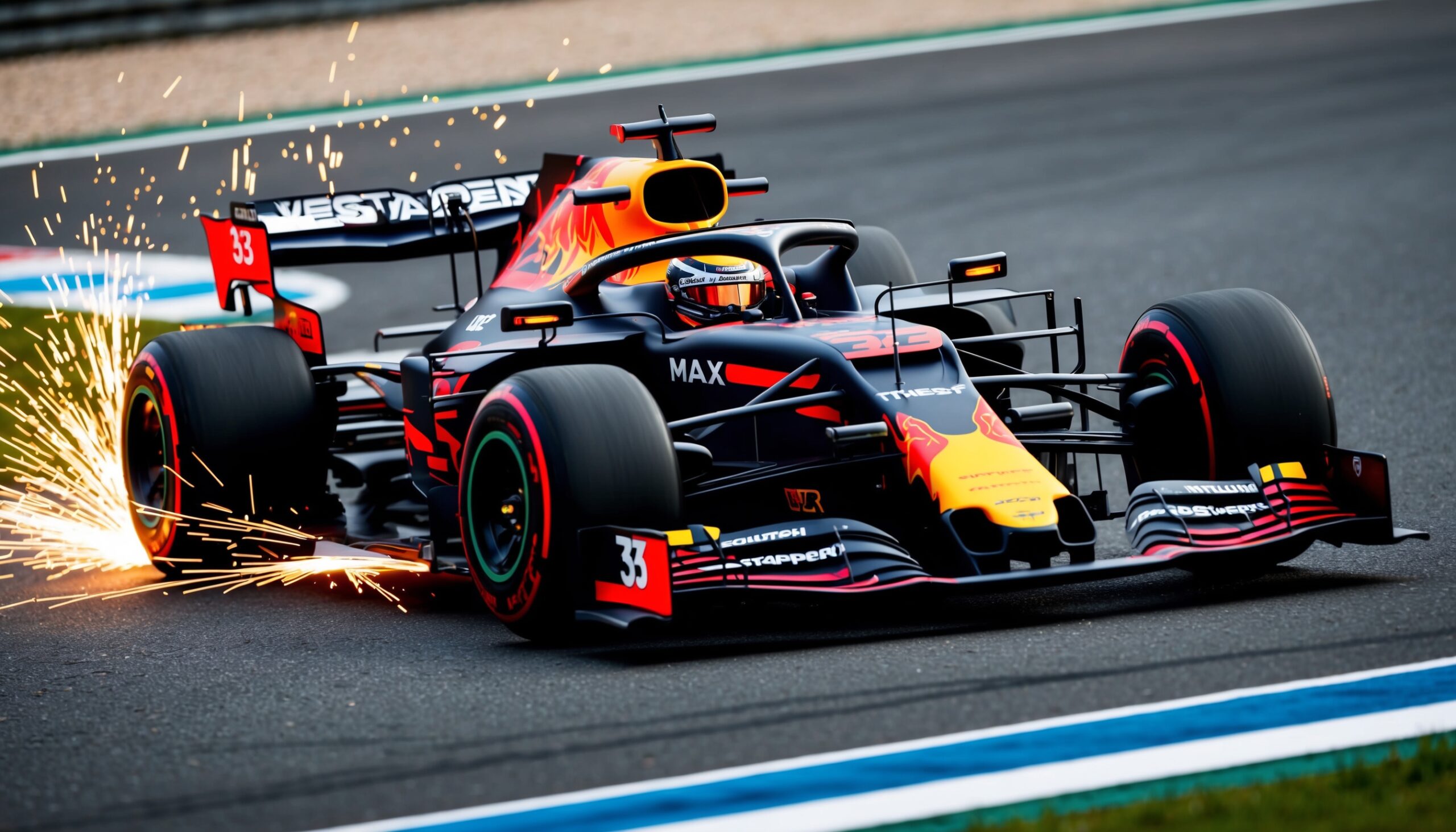
- Red Bull Racing – Known for their aggressive strategies, they were looking to reclaim dominance.
- Ferrari – With a resurgence in form, they aimed to challenge for top honors.
- McLaren – Always a fan favorite, they had a few surprises up their sleeves.
The drivers were equally crucial. Stars like Lewis Hamilton, Max Verstappen, Charles Leclerc, and Lando Norris were all in the mix, each bringing their unique styles and strategies to the race.
Pit Strategies: The Game Changer
One of the most fascinating aspects of the Qatar Grand Prix was the varied pit strategies employed by the teams. The tire compounds available were soft, medium, and hard, and each team had to decide how best to utilize them. Here are some highlights:
- Early Pits: Some teams opted for an early pit stop right after the first few laps, hoping to gain an advantage on fresher tires.
- Two-Stop Strategy: Others chose the aggressive two-stop strategy, which involved changing tires once midway through the race to maintain optimal performance.
- Late Surge: A few teams decided to wait until the final laps to pit, banking on their tire wear to keep them in the race and make a late charge for the podium.
These strategies led to some intense moments on the track, as drivers jockeyed for position, knowing that one wrong decision could cost them dearly.
Weather Conditions: The Unpredictable Factor
Weather played a pivotal role in the Qatar Grand Prix. The conditions were hot and humid, which added extra stress on both the drivers and their cars. Tire degradation was a significant concern, and the teams had to constantly monitor how their tires were performing. Many teams were caught off guard by sudden changes in track temperature, leading to unexpected performance fluctuations.
Driver Performances: Who Stood Out?
Each driver brought their own flair to the race, but some truly stood out:
- Max Verstappen: Showcasing his incredible racecraft, Verstappen executed flawless overtakes and was pivotal in Red Bull’s strategy.
- Lewis Hamilton: The seasoned veteran demonstrated why he’s a champion, making calculated moves and defending his position with finesse.
- Charles Leclerc: Leclerc’s aggressive driving style paid off, allowing Ferrari to gain critical points in the championship.
- Lando Norris: The young McLaren driver surprised many with his pace and strategic thinking, making him one to watch for the future.
These performances not only thrilled fans but also set the stage for an exciting conclusion to the season.
Team Dynamics: Collaboration Is Key
Behind every successful driver is a team that works tirelessly to ensure every aspect of the car is in peak condition. Team dynamics were essential during the Qatar Grand Prix. Communication between the pit crew and drivers was paramount. Here are some insights into how teamwork played a role:
- Real-Time Data Analysis: Teams relied heavily on data analytics to make on-the-fly decisions about tire strategies and adjustments.
- Calm Under Pressure: The pit crews displayed remarkable composure during pit stops, executing changes in record time.
- Support Systems: Drivers often leaned on their engineers for advice and adjustments, showcasing the importance of trust and collaboration.
The synergy between drivers and their teams was a significant factor in the race’s outcome, demonstrating that success in F1 is never a solo effort.
Fan Engagement: The Heart of F1
The Qatar Grand Prix also highlighted the importance of fan engagement. The atmosphere was electric, with fans from around the globe coming together to support their favorite teams and drivers. Here’s how fan engagement played a role:
- Social Media Buzz: The race generated significant conversation on platforms like Twitter and Instagram, allowing fans to share their thoughts and reactions in real-time.
- Interactive Experiences: The organizers provided various interactive experiences for fans, including meet-and-greets with drivers and behind-the-scenes tours.
- Merchandising: The availability of exclusive merchandise created a buzz and allowed fans to take home a piece of the action.
Such engagement not only enhances the race experience but also strengthens the community around Formula 1.
The Impact on the Championship Standings
The results of the Qatar Grand Prix had significant implications for the championship standings. With only a few races remaining in the season, every point mattered. Here’s a look at how the race affected the standings:
- Max Verstappen’s Lead: With a commendable performance, Verstappen extended his lead in the drivers’ standings.
- Ferrari’s Comeback: The points earned by Leclerc positioned Ferrari as a strong contender for the constructors’ championship.
- McLaren’s Challenges: Despite a good showing, McLaren struggled to keep pace with the top teams, impacting their hopes for a higher team standing.
As the season approached its climax, the stakes became higher, and the intensity of the competition ramped up considerably.
Looking Ahead: What’s Next for F1?
As we wrap up our analysis of the 2025 Qatar Grand Prix, it’s essential to look ahead. The race has set the stage for a thrilling conclusion to the season, with several questions lingering:
- Can any team challenge Red Bull’s dominance?
- Will Ferrari maintain their momentum and capitalize on their recent performance?
- How will the teams adapt to the ever-evolving regulations for the next season?
The excitement is palpable, and as fans, we can’t wait to see what the final races of the season hold. The Qatar Grand Prix proved once again that Formula 1 is not just about speed; it’s about strategy, teamwork, and a little bit of unpredictability.
Stay tuned for more insights and analyses right here at Torque Feed, where we keep you at the forefront of all things automotive!