2020 Jeep Wrangler Depreciation: What You Need to Know
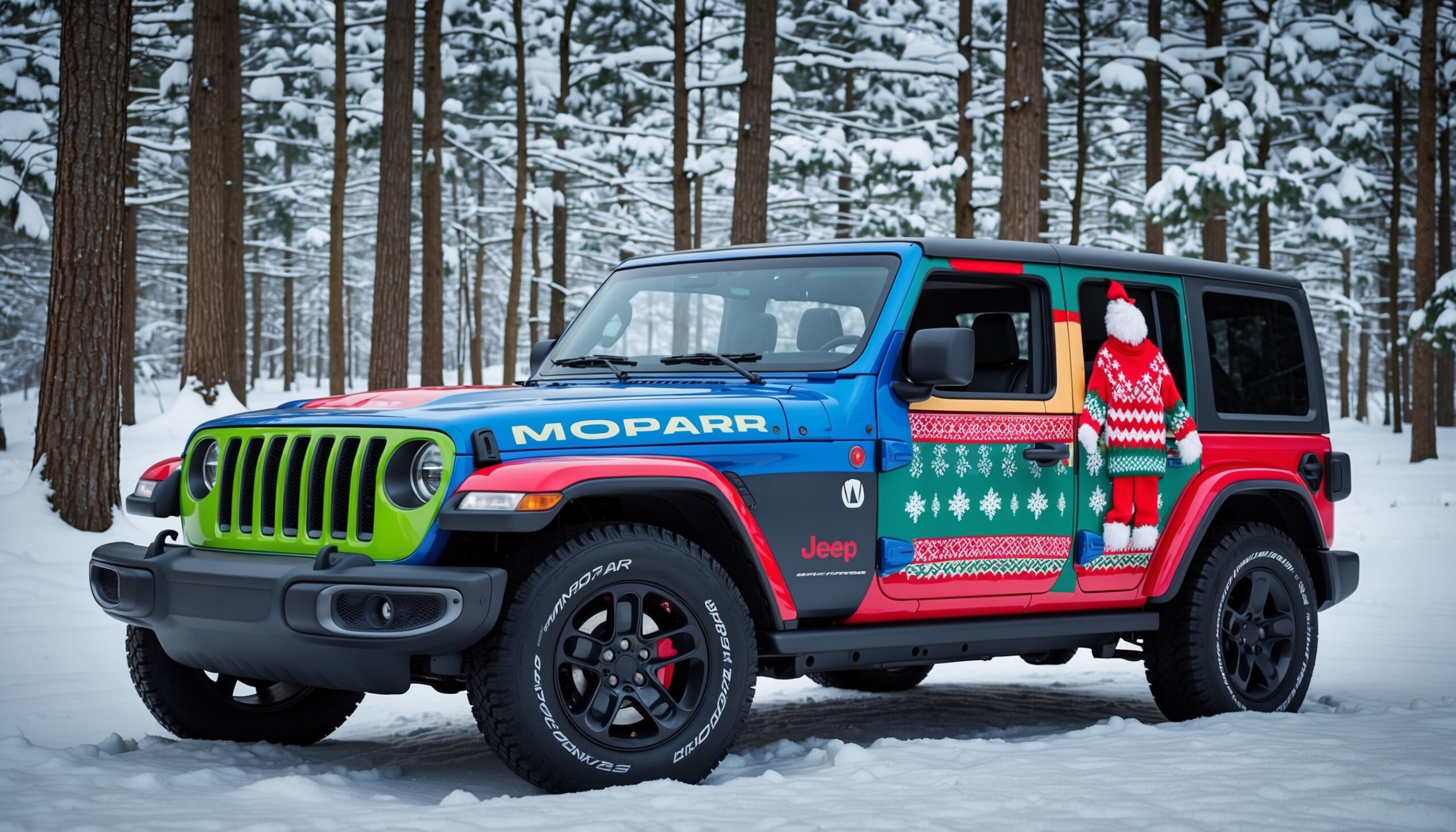
The Jeep Wrangler has long been a symbol of adventure and rugged capability. Enthusiasts adore its iconic design, off-road prowess, and the ability to tackle just about any terrain. However, like all vehicles, the 2020 Jeep Wrangler experiences depreciation over time, which can significantly impact both current owners and potential buyers. If you’re in the market for a used Wrangler or simply curious about its value retention, you’re in the right place. Here’s everything you need to know about the depreciation of the 2020 Jeep Wrangler.
Understanding Vehicle Depreciation
Depreciation is an inevitable part of vehicle ownership. It refers to the reduction in a vehicle’s value over time due to factors like age, wear and tear, and market demand. Understanding how depreciation works can help you make informed decisions when buying or selling your vehicle.
The depreciation curve of a vehicle can vary significantly based on its make, model, and market trends. For instance, luxury vehicles often depreciate faster than more utilitarian models, while certain brands—like Jeep—tend to hold their value better over time. So, where does the 2020 Jeep Wrangler fit into the picture?
Factors Influencing the Depreciation of the 2020 Jeep Wrangler
When it comes to the 2020 Jeep Wrangler, several factors contribute to its depreciation rate:
Also Read: View Photos of the 2026 Jeep Wrangler Moab 392
- Market Demand: The Wrangler has a dedicated fanbase and a strong demand in the used car market, which can slow down its depreciation rate compared to other vehicles.
- Mileage: Like any vehicle, the more miles a Wrangler has on it, the lower its resale value will be. Off-road enthusiasts tend to rack up mileage quickly, which can affect value.
- Condition: A well-maintained Wrangler with minimal wear and tear will hold its value better than one that has seen rough treatment.
- Trim Levels and Options: The 2020 Wrangler offers various trim levels and options that can affect its resale value. Higher trims with more features tend to depreciate less than base models.
- Overall Market Trends: Economic factors and shifts in consumer preferences can also influence depreciation rates across all car brands, including Jeep.
The Depreciation Curve of the 2020 Jeep Wrangler
When we talk about the depreciation curve, it’s important to note that many vehicles experience the steepest depreciation within the first few years of ownership. This is often referred to as the “new car depreciation.” For the 2020 Jeep Wrangler, here’s how the depreciation typically unfolds:
- Year 1: The first year is usually the most significant. Expect the Wrangler to lose about 20-30% of its initial value, depending on mileage and condition.
- Years 2-3: In the second and third years, the depreciation slows down, with an average loss of about 10-15% each year.
- Years 4-5: After three years, the Wrangler tends to stabilize, losing around 5-10% of its value annually.
These numbers can vary based on the factors we discussed earlier, but they give a general idea of what to expect when it comes to depreciation.
Comparing the 2020 Jeep Wrangler to Other SUVs
When evaluating the depreciation of the 2020 Jeep Wrangler, it’s helpful to compare it to other SUVs in its class. Many vehicles have distinct depreciation patterns based on their brand reputation, reliability, and market appeal. Here’s how the Wrangler stacks up against some competitors:
Also Read: View Photos of the 2026 Jeep Wrangler Moab 392
- Toyota 4Runner: The 4Runner is known for its ruggedness and reliability, often holding its value similarly to the Wrangler. Both vehicles appeal to off-road enthusiasts.
- Ford Bronco: The Bronco re-emerged in 2020, creating a buzz. However, its long-term value retention is still being evaluated compared to the established Wrangler.
- Nissan Xterra: Though discontinued, the Xterra tends to depreciate faster than the Wrangler, given its less iconic status and lower demand.
Overall, the 2020 Jeep Wrangler tends to maintain its value relatively well compared to many other SUVs, thanks to its unique appeal and brand loyalty.

Tips for Minimizing Depreciation
If you’re looking to minimize depreciation on your 2020 Jeep Wrangler or are considering buying one, here are some practical tips:
- Choose the Right Trim: Opt for a higher trim level with more features, as these tend to hold their value better.
- Keep It Maintained: Regular servicing and keeping the vehicle in good condition can help retain value.
- Limit Mileage: Try to keep mileage to a minimum, especially off-road miles, which can wear down components more quickly.
- Store It Properly: Protect your Wrangler from the elements when not in use. A garage or car cover can help prevent exterior damage.
- Document Maintenance: Keep detailed service records to show prospective buyers that the vehicle has been well cared for.
When is the Best Time to Sell Your 2020 Jeep Wrangler?
Timing can play a crucial role in maximizing the resale value of your Jeep Wrangler. Here are some factors to consider:
- Age: The ideal time to sell is often before the vehicle hits the 5-year mark, as depreciation slows significantly after that point.
- Market Trends: Keep an eye on market demand. Selling during peak seasons for SUVs (like spring and summer) can yield better prices.
- Condition: If you notice significant wear and tear, consider selling before it affects the resale value too much.
By keeping these factors in mind, you can make a more informed decision about when to sell your 2020 Jeep Wrangler.
Final Thoughts on the 2020 Jeep Wrangler Depreciation
The 2020 Jeep Wrangler remains a popular choice for those who value adventure and versatility. While depreciation is an unavoidable aspect of vehicle ownership, understanding how it works can help you navigate the buying and selling process more effectively. Whether you’re an enthusiast looking to hold onto your Jeep for years to come or a potential buyer eyeing a used model, the Wrangler’s reputation for retaining value makes it an attractive option in the crowded SUV market.
For more insights into automotive trends and tips, stay tuned to Torque Feed, where we dive deep into everything car-related!